
How to Find a Job With No Experience: A Practical Guide for First-Time Job Seekers
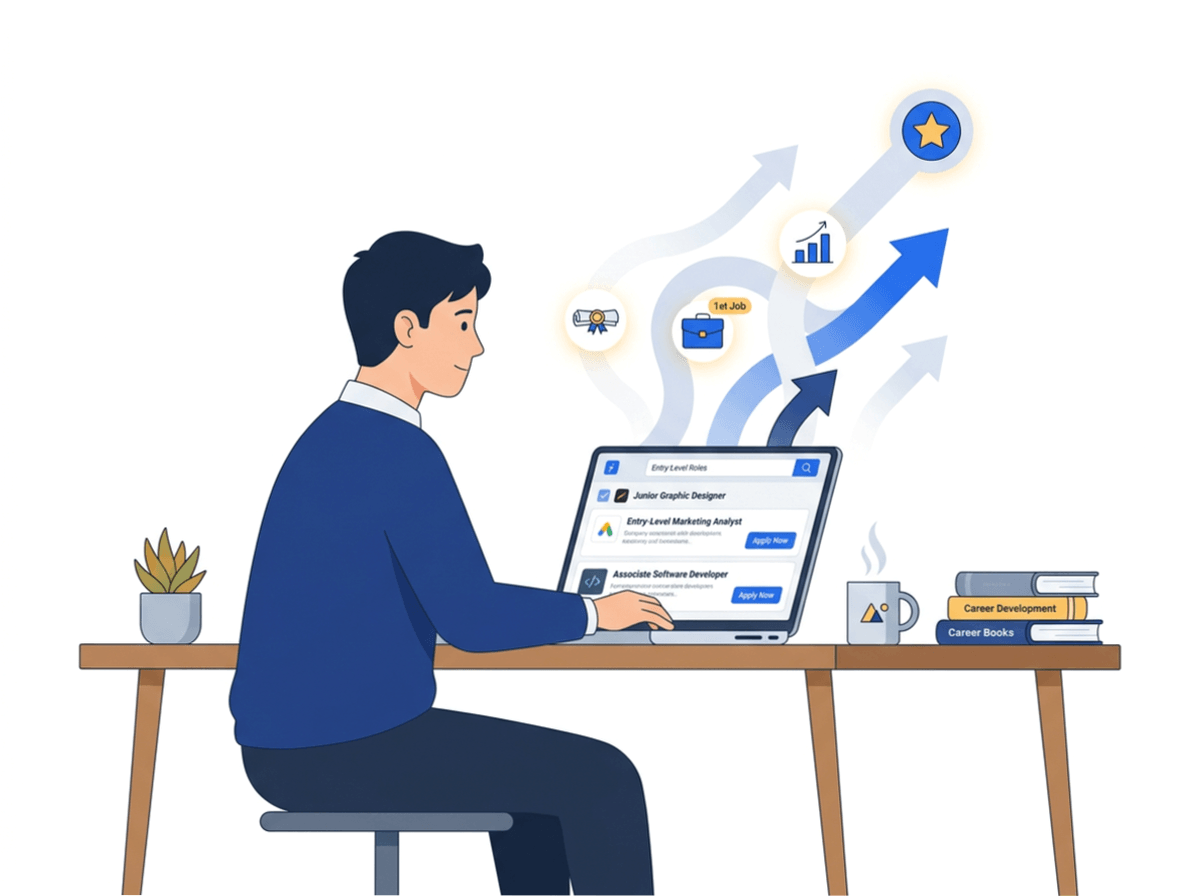
Finding your first job can feel difficult when most listings ask for previous experience. Many candidates assume that employers only hire people with long work histories, but that is not always the case.
Thousands of companies actively hire beginners every year. The key is understanding what employers actually expect from entry-level candidates, how to present your skills, and where to search for the right opportunities.
If you are trying to find a job with no experience, the process is less about your past and more about your potential. Employers often look for reliability, communication skills, and the ability to learn quickly. With the right strategy, many candidates successfully land their first role even without a traditional work background.
This guide explains how to find a job with no experience, what hiring managers look for in beginner candidates, and how to increase your chances of getting hired.
Why Employers Hire Candidates With No Experience
Many companies regularly hire candidates with little or no professional experience. Entry-level roles are designed for people who are just starting their careers and are expected to learn on the job.
Instead of focusing only on previous work history, employers often evaluate other qualities.
- Reliability – Companies want employees who arrive on time, complete tasks responsibly, and follow instructions.
- Communication skills – Being able to communicate clearly with coworkers, customers, and supervisors is often more important than previous experience.
- Willingness to learn – Entry-level positions frequently include training programs. Employers prefer candidates who demonstrate curiosity and motivation.
- Positive attitude – Candidates who show initiative and enthusiasm often stand out during the hiring process.
Because of this, many hiring managers evaluate entry-level job applicants based on potential rather than past experience.
Why It Is Hard to Get a Job Without Experience
Even though entry-level jobs exist in many industries, several factors make it harder for first-time candidates to secure their first role.
- Competition – Entry-level positions often receive a large number of applications from other beginner candidates.
- Automated screening – Many companies use applicant tracking systems (ATS) to filter applications before recruiters review them.
- Generic resumes – Candidates without experience often submit similar-looking resumes that do not clearly highlight their strengths.
- Unfocused job search – Some applicants send random applications instead of targeting specific types of roles.
Understanding these challenges helps explain why some people struggle to find a job with no experience, even when job openings exist.
Common Problems First-Time Job Seekers Face
Most new job seekers encounter similar obstacles during their search.
- No interview invitations after submitting many applications.
- Confusing job requirements that mention “experience preferred.”
- Uncertainty about how to create a resume without previous employment.
- Lack of professional references.
- Difficulty finding reliable job listings.
Recognizing these common challenges helps candidates adjust their strategy and improve their chances of getting hired.
How to Start Your Job Search
Several practical steps can significantly increase your chances of landing your first job.
Focus on entry-level roles
Look for positions specifically designed for beginners. Examples include customer service roles, retail positions, administrative assistants, data entry jobs, and junior marketing roles.
Highlight transferable skills
Even without work experience, many candidates develop useful skills through school projects, volunteering, or personal activities.
- Communication
- Organization
- Teamwork
- Problem solving
- Basic technical skills
Create a simple professional resume
A beginner resume should include education, skills, projects, and any volunteer experience.
Use structured job platforms
Searching through reliable job platforms helps identify legitimate opportunities and avoid low-quality listings.
Job Search Strategies That Work
Different job search strategies can improve your chances of finding your first role.
Online job platforms
Job boards provide access to thousands of open positions and allow candidates to apply quickly.
Networking
Personal recommendations from friends, teachers, or professional contacts can help candidates get interviews.
Skill development
Short online courses or certifications can help beginners stand out among other applicants.
Entry-level job platforms
Some platforms focus on listings that clearly show responsibilities, required skills, and employer expectations. This makes it easier for beginners to identify suitable opportunities.
Common Mistakes
- Applying to every job without reading the description.
- Sending the same resume to every employer.
- Ignoring soft skills when describing abilities.
- Using unprofessional email addresses.
- Applying only through one job platform.
Correcting these simple issues often improves results for first-time job seekers.
Tips to Increase Your Chances of Getting Hired
- Customize your resume for each job application.
- Focus on transferable skills instead of work history.
- Prepare answers to common interview questions.
- Apply consistently instead of sending only a few applications.
- Search for companies known for hiring entry-level employees.
Using job platforms that clearly structure job listings can also make it easier to identify suitable opportunities and understand employer expectations.
Where to Find Entry-Level Jobs
One of the biggest challenges for beginners is identifying reliable job listings.
Many job boards contain outdated postings or roles that require experience even when labeled as entry-level.
Modern job platforms increasingly structure listings to highlight responsibilities, skills, and requirements more clearly. This helps candidates quickly determine whether a position is suitable for someone with limited experience.
Platforms such as GetJob organize job listings in a structured format so candidates can easily identify entry-level opportunities and understand what employers expect.
This approach helps first-time job seekers identify legitimate openings, understand job requirements faster, and apply more efficiently.
Author
Daniel Carter
Experience
Career technology researcher specializing in recruitment platforms, applicant tracking systems, and job search optimization.
Methodology
This guide is based on recruiter insights, hiring platform documentation, and research into candidate behavior and modern job search systems.